
Latest News
2025.06.17
News | Taiwan Blood Services Foundation ESG
- News
- Latest News
- Strengthening National Blood Supply Resilience: The Foundation Launches an Inter-Center Blood Bag Transfer Exercise
Back to List
Strengthening National Blood Supply Resilience: The Foundation Launches an Inter-Center Blood Bag Transfer Exercise
Latest News
2026.10.27
In response to the potential demand for blood and medical supplies arising from major disasters, emergencies, and mass casualty incidents, the Taiwan Blood Services Foundation continues to strengthen the resilience of the national blood supply system. In alignment with the policy direction of the “Healthy Taiwan Deep Cultivation Plan,” which aims to enhance the resilience and emergency response capabilities of the healthcare system, the Foundation conducted an inter-center blood bag transfer tabletop exercise on September 29. Taipei, Hsinchu, Taichung, and Kaohsiung Blood Centers participated in the exercise, which simulated the complete process of transferring blood bags across regions during a major incident. Through practical simulation, the exercise assessed coordination and emergency response capabilities among the blood centers.
The exercise was based on a scenario involving a major incident in a certain region that resulted in a large number of casualties. Following the incident, large numbers of people came forward to donate blood, causing local inventories of blood products and blood collection bags to be rapidly depleted. This situation could potentially affect subsequent safety stock levels and the stability of the medical blood supply. In addition to first assessing the capacity for transferring supplies among their affiliated blood donation stations and the ability of suppliers to provide emergency replenishment, the blood centers activated an inter-center support mechanism. This included urgently borrowing triple blood collection bags from neighboring centers to ensure that blood collection and subsequent blood supply operations could continue without interruption.
Sheng-Mou Hou, Chairperson of the Taiwan Blood Services Foundation, stated that blood is an indispensable resource for maintaining the operation of the healthcare system. When major disasters occur, they may not only cause a sudden increase in medical demand but also disrupt transportation, logistics, blood donation, and blood supply operations simultaneously. He therefore emphasized that all blood centers must establish a comprehensive mechanism based on “mutual assistance during normal operations, emergency resource allocation, and cross-regional support.”
The exercise specifically simulated procedures involving inter-center borrowing requests and coordination, logistics arrangements, delivery handovers, material inspection and acceptance, and accounting reconciliation. Checklists were also established to review standard operating procedures step by step, from submitting requests and confirming quantities to logistics distribution and receipt verification. The objective was to ensure that, in the event of an emergency, all units could quickly identify needs, communicate promptly, and deliver essential resources within the shortest possible time. Exercise activities included determining the quantity of blood collection bags required for emergency transfer, contacting logistics companies, confirming delivery and acceptance procedures, and conducting subsequent purchasing and accounting reconciliation operations.
Tsung-Hsi Wang, CEO of the Taiwan Blood Services Foundation, pointed out that Taiwan is located in a region with relatively high risks of natural disasters, including earthquakes and typhoons, and has also experienced major traffic accidents and mass casualty incidents in recent years. These experiences remind us that blood supply is not merely a routine healthcare service, but also an essential component of national healthcare resilience and the disaster response system. By conducting an inter-center blood bag transfer tabletop exercise, the Foundation aims to establish cross-regional blood resource allocation capabilities. In the event of an emergency, even if the supply in a particular region is disrupted, the nationwide blood service system can provide mutual support to maintain the blood supply required for medical care.
The Foundation emphasized that the “Healthy Taiwan Deep Cultivation Plan” focuses not only on improving the quality of routine healthcare services, but more importantly, on ensuring that the healthcare system can continue operating during major disasters and emergencies. Building on the integration of national blood resources, the Taiwan Blood Services Foundation will continue to strengthen information sharing, material coordination, and logistics cooperation among blood centers, while improving emergency resource allocation efficiency through regular exercises and process optimization.
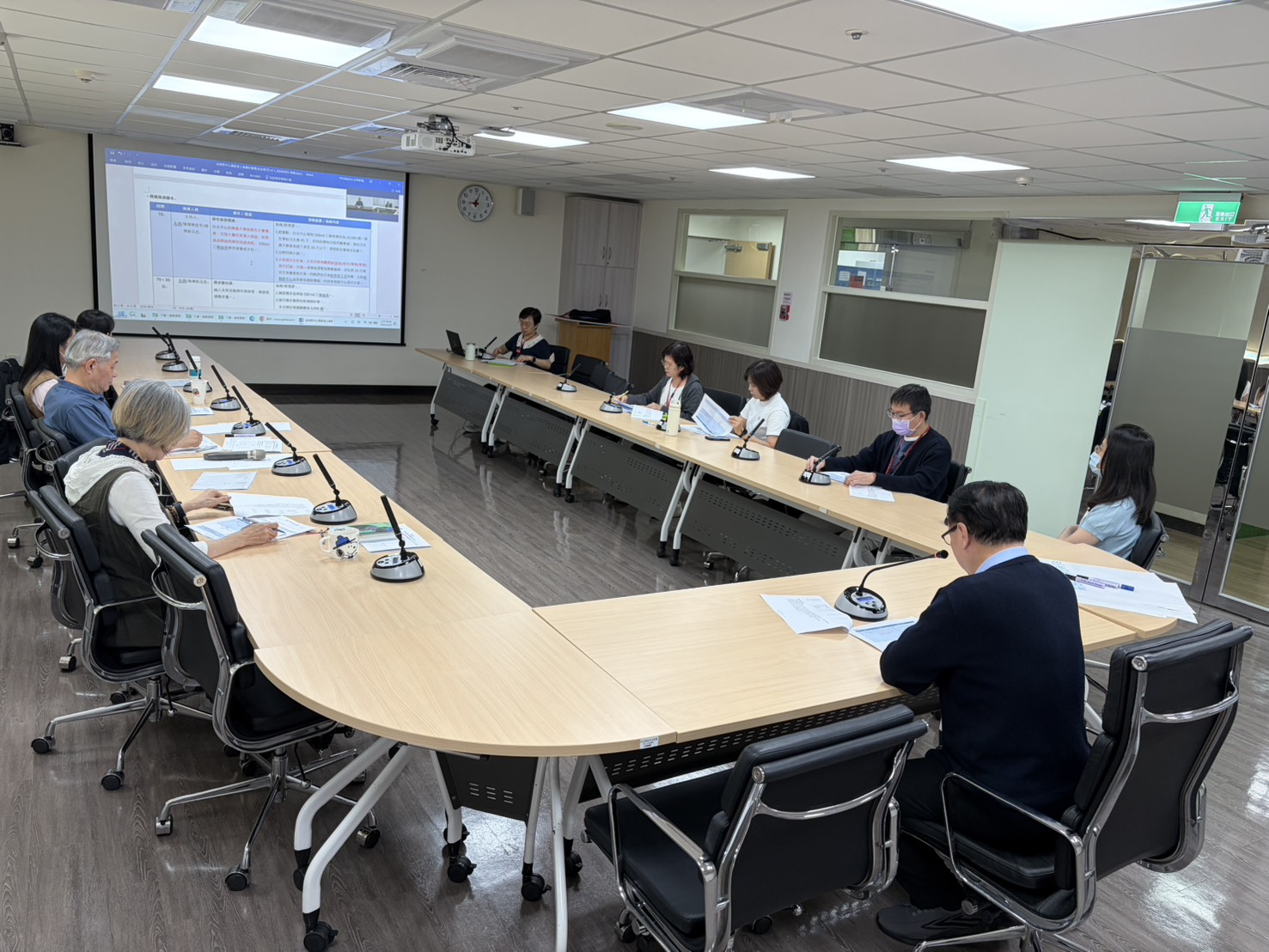
Caption: On September 29, the Taiwan Blood Services Foundation conducted an inter-center blood bag transfer tabletop exercise. The photo shows Taipei Blood Center conducting a simulated emergency response based on the exercise scenario.
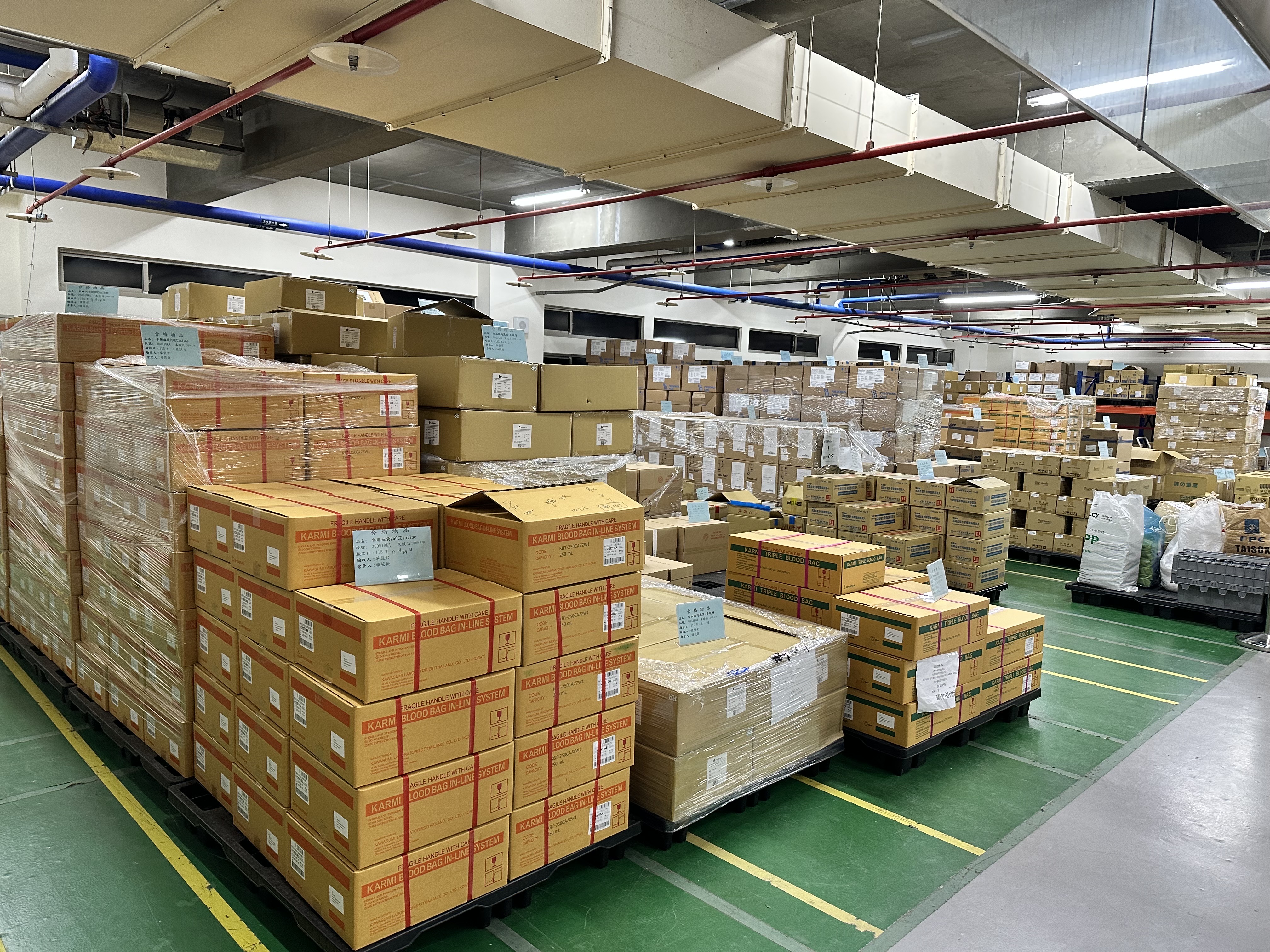
Caption: Blood collection bag inventories at all blood centers are regularly checked and counted to ensure preparedness for unexpected emergencies.
Share on
-
Copied to clipboard
Latest News
2025.05.26